Calden Carroll, Class of 2011, President of SupraSensor Technologies
Calden Carroll’s PhD work under Professors Michael Haley and Darren Johnson resulted in the creation of SupraSensor Technologies. But, as the article from UO Research and Innovation explains ~
The route from basic research to innovation can be a long and winding road, but the payoffs can be big. That was the case for one University of Oregon startup, which began with a failure in the laboratory.
The paper, titled “Insider-Driven Change in Fields of Practice: Exploring the Case of Green Chemistry,” is a collaboration between chemistry and the UO business school. Authors include Jennifer A Howard-Grenville (UO Business), Julie Haack (UO Chemistry), Doug Young (UO PhD Alum, now at LCC), Andrew Earle, and Andrew Nelson (UO Business). It was presented at the conference by Andrew Nelson.
Abstract: Insiders can be effective at mobilizing to bring about change in organizations or professions, yet we know little about how they work to influence change in a less structured field of work practice. Drawing on interview, observational, and archival data, we inductively investigate the emergence and growth of “green chemistry,” an effort within the chemical sciences to improve the health, safety, and environmental impacts of chemicals through changing practices associated with chemical synthesis and design. We find that advocates mobilized other chemists through a multivocal discourse and flexible principles, as opposed to a cohesive resonant frame. A pluralistic community resulted, which demanded ongoing efforts to both check and sustain this pluralism. The trajectory of green chemistry suggests that insiders can leverage the very elements that structure a field – shared expertise and work practices – in service of change, but that these same elements are threatened by such change. We discuss implications for theory on insider- driven change in fields of practice, the strategic use of multivocality, and the challenges of social change among those bound by common expertise, including members of occupations.
There will be memorial service on Saturday, February 28th, in Medford, OR, for Gregory Harlow.
Gregory graduated in June 2013 with a Bachelor’s degree in Chemistry. While an undergrad in the UO Department of Chemistry and Biochemistry, he did research in the Liu lab as a Beckman Scholar. Gregory was a graduate student at the California Institute of Technology in Pasadena, CA. He passed away January 22, 2015.
Dr. Jeffrey Bland, who earned his PhD in Chemistry at University of Oregon in 1971, has been named the recipient of the Burton Kallman Scientific Award by the Natural Products Association.
As lab director of Oregon Growers Analytical, Roger Voelker, PhD 1996, tests medical marijuana for harmful substances, and advocates for more rigorous oversight to ensure patient safety.
UO and Berkeley researchers unveil new nano-sized synthetic scaffolding technique
The creation of peptoid nanosheets that mimic complex biological mechanisms and processes have applications that could lead to improved chemical sensors and separators, and safer, more effective methods of drug-delivery.
UO Chemistry and Biochemistry graduate Josh Razink’s work with the high-resolution transmission electron microscope in CAMCOR has helped provide strong evidence for the theory that a cosmic explosion triggered the ice age 12,800 years ago that resulted in the extinction of numerous species of plants and mammals.


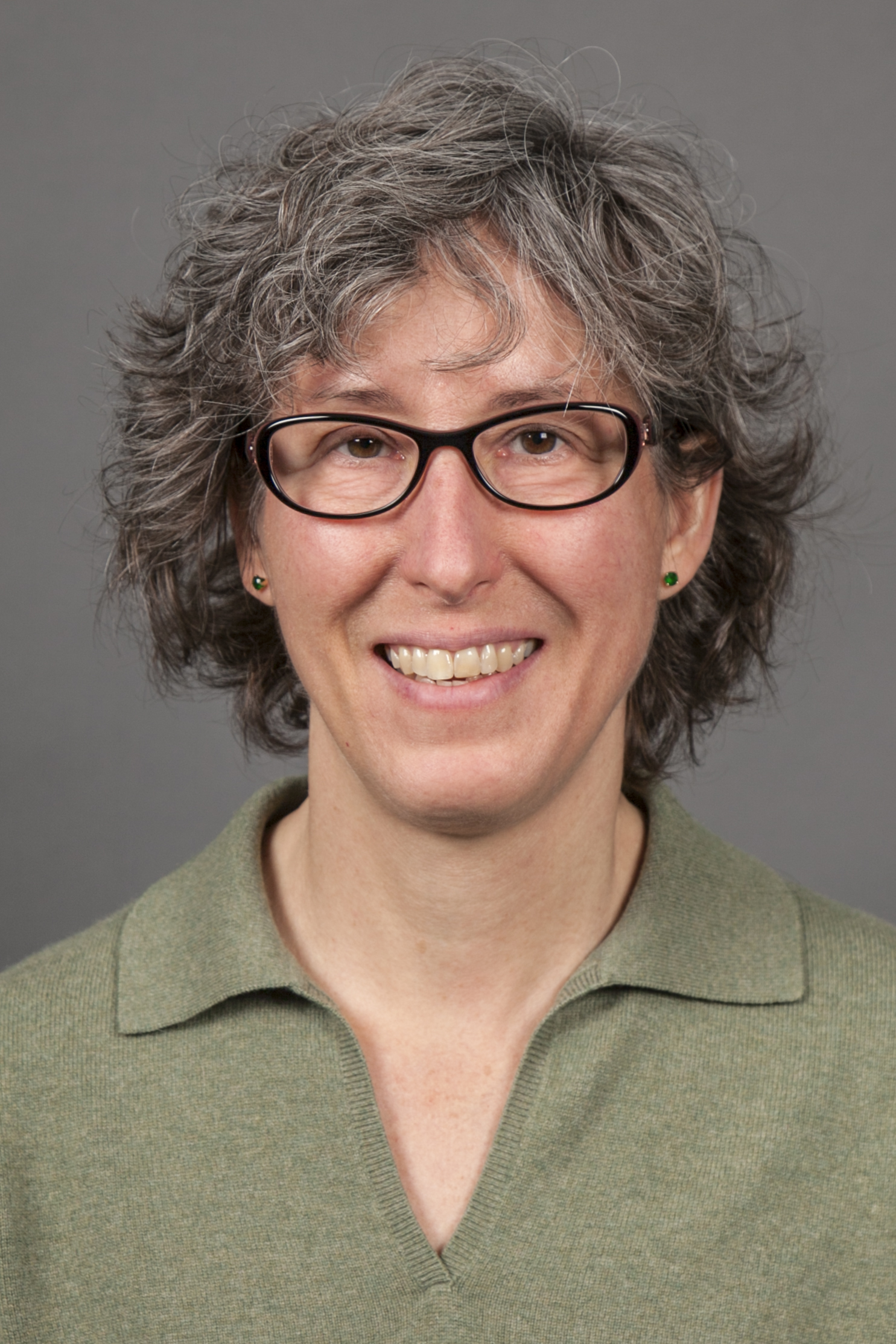

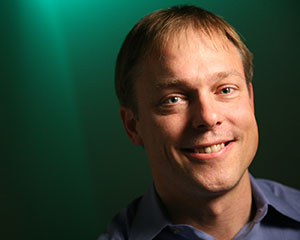 Nice article about UO Chemistry and Biochemistry’s
  Nice article about UO Chemistry and Biochemistry alumna Emily Troung!
 As lab director of Oregon Growers Analytical, Roger Voelker, PhD 1996, tests medical marijuana for harmful substances, and advocates for more rigorous oversight to ensure patient safety.
