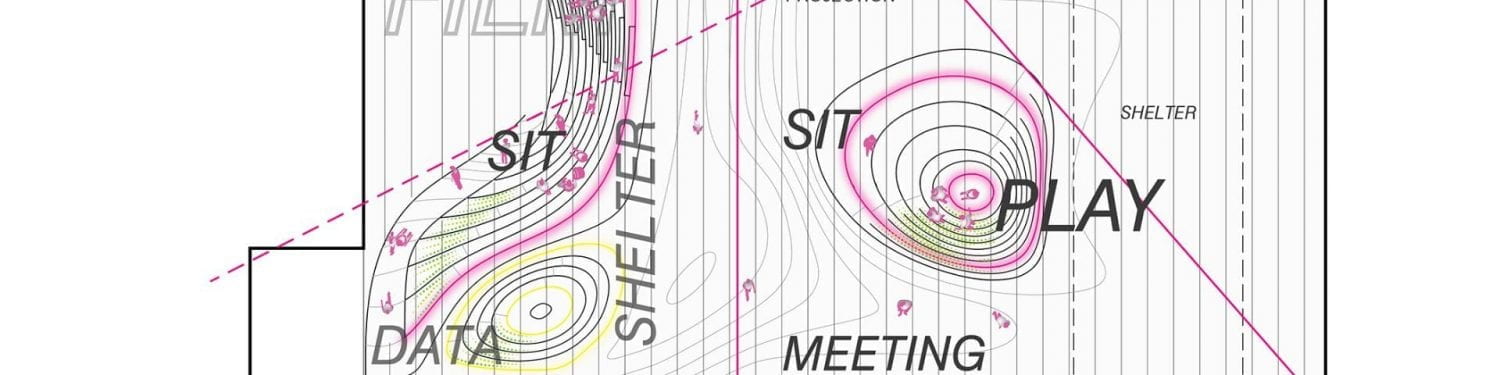

Using repetition connections between each other. The inbetween form matters more than the form itself. Parts form ensembles which in turn form larger wholes. Using…


From Object to Field The object to field relationship is characterized by the interaction between part and whole, specifically how parts are subsumed into a…
0.2 Geometric vs. Algebraic Combination Within classical architecture, there is a repeated organization of wholes through geometric systems and patterns. Classical architecture consistently reflected the…

What are Field Conditions The first idea that Stan Allen discusses is the idea of field conditions themselves. According to Allen, field conditions are a…

[embeddoc url=”https://blogs.uoregon.edu/222s20/files/2020/04/ARCH-222-Assignment-1a-Colosky.pdf” download=”all” viewer=”google” ]

0.1From Object to Field This concept can be very technical and mathematical, but when Stan Allen approaches field conditioned through an architectural lens he thinks…
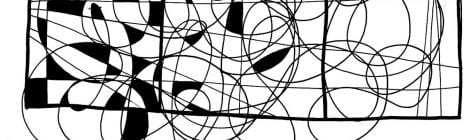
From Object to Field – “‘The field describes a space of propagation, of effects,’” (Allen, 92). In other words, the field is a matrix or…