This past week for Environmental Literature, the class was assigned reading a few different environmental texts. Two of the texts, A Narrative of the Captivity of Mrs. Mary Rowlandson and J. Hector St. John De Crevecoeur’s Letters from an American Farmer: Letter III-What Is an American, have similar depictions of the wilderness. The wilderness, from class discussion, has often been depicted as a dark and evil landscape separate from civilization. Both Rowlandson and Crevecoeur’s writings share the same characteristics of how the wilderness is depicted.
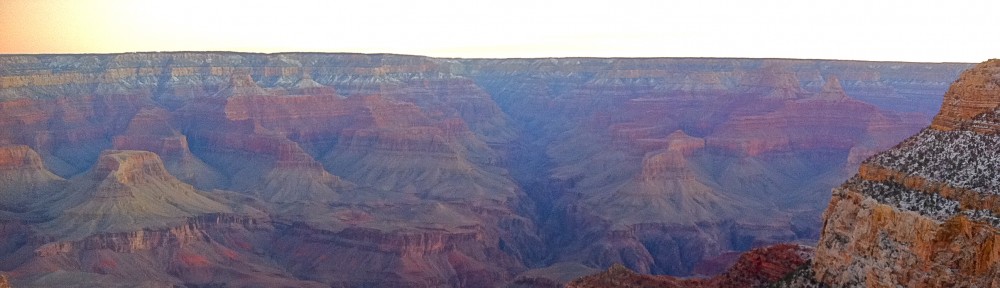
Mary Rowlandson’s narrative accounts for her experience with being held captive by the Wampanoag Indians, a tribe of Native Americans. Rowlandson’s narrative goes through different periods of her captivity and the trials she had to go through while she was captive. The way of life for the Wampanoag was different to Rowlandson and she viewed it as savage. In the Second Remove of her narrative, Rowlandson described the wilderness as “vast and desolate” (Narrative of Captivity, p. 312 Second Remove). This depiction of the wilderness can be thought of to fit the motif that was discussed in class. Rowlandson’s journey was a long and harsh one as she travelled far into a place away from society under Indian captivity until she would return to society.