Time 1.5 hours TBA, plus half-hour sectional based on interest
 General class description: One intellectual current within ethnomusicology is the idea of bi-musicality, or the ability to be fluent in more than one musical system. This course emphasizes the practice of music-dance from a specific region/culture and asks students to reflect on how this practice may compare with the musical systems they already have experience with. Students will be asked to take an embodied approach in learning. At the end of the term, students will share what they have learned with others through an end-of-term presentation. Students who may be interested in taking the class for additional credit (beyond 2.0 credits) can arrange to do additional work such as write an end-of-term research paper or produce a creative project related to region in question.
Specific description: This term is dedicated to learning about the music-dance traditions of Puerto Rico. Several of these are drumming traditions that invite participation (bomba and plena), and everyone will learn a tune in these genres. We will also explore the jibaro orchestra (cuatros / guitars / güicharo / bongó). Other traditions such as dance orchestra (strings, horns, and percussion) and beyond may also be available, depending upon what skills students bring with them to the class. All students will be expected to sing and perform basic dance steps. No prior musical experience necessary. Visiting guest artists may give additional guidance through concerts and workshops. Readings provided on Canvas. Instruments will be loaned for class as needed.
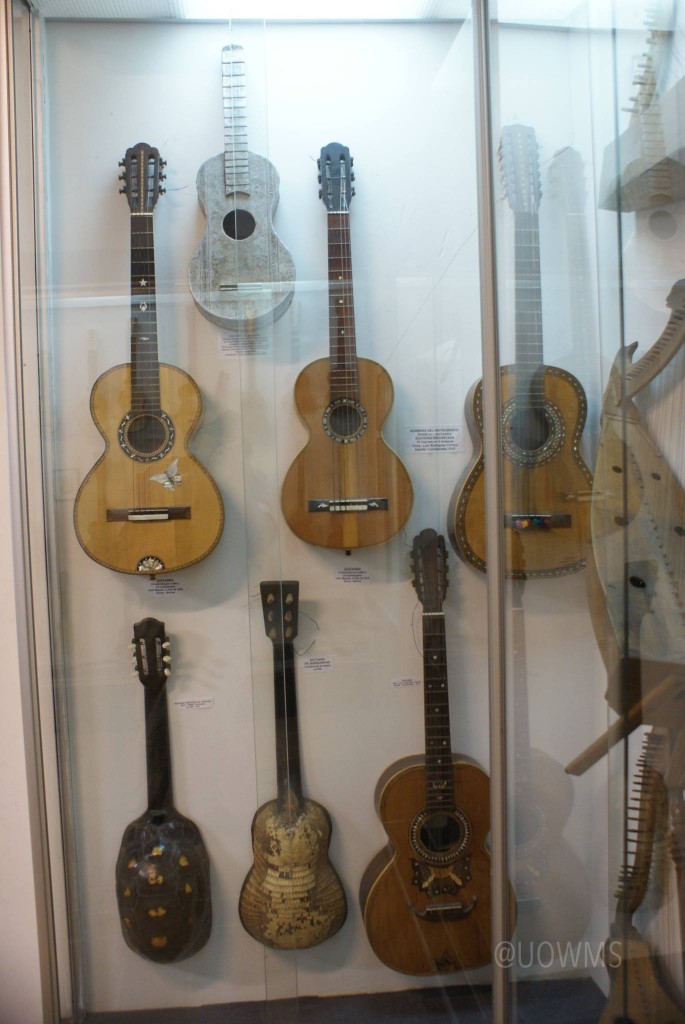 Musical instruments are tools that humans have created to shape their sound environments. They reflect the cultural values that communities of humans share. In this class, we will examine these tools, seeking to understand how they work: mechanically, aesthetically, and socially. We will also explore how and why scholars have studied musical instruments, even taking the time to build some. Questions include: why have some musical instruments become icons of a nation? How should we classify the vast number of instruments in the world? What does it mean for instruments to circulate around the world? Students will have the opportunity to research an instrument of their choice more thoroughly. This course is designed to fulfill the Global Perspectives category of the Cultural Literacy Core Education requirement.