
Questions of identity, authorship, and accountability come to the forefront in fascinating ways in our digital age. More often than not, social media platforms, artificial intelligence, and other digital technologies undermine or threaten traditional notions of personhood and authorial responsibility, and this module exposes the darker repercussions inherent in our current grapple with digital identity. First, digital writing, reading, and publishing deeply obfuscate the meaning of authorship; as texts, images, films, and more are easily copied, altered, and proliferated throughout the online “knowledge space,” it becomes harder to recognize originality and to maintain exclusive authorship rights.
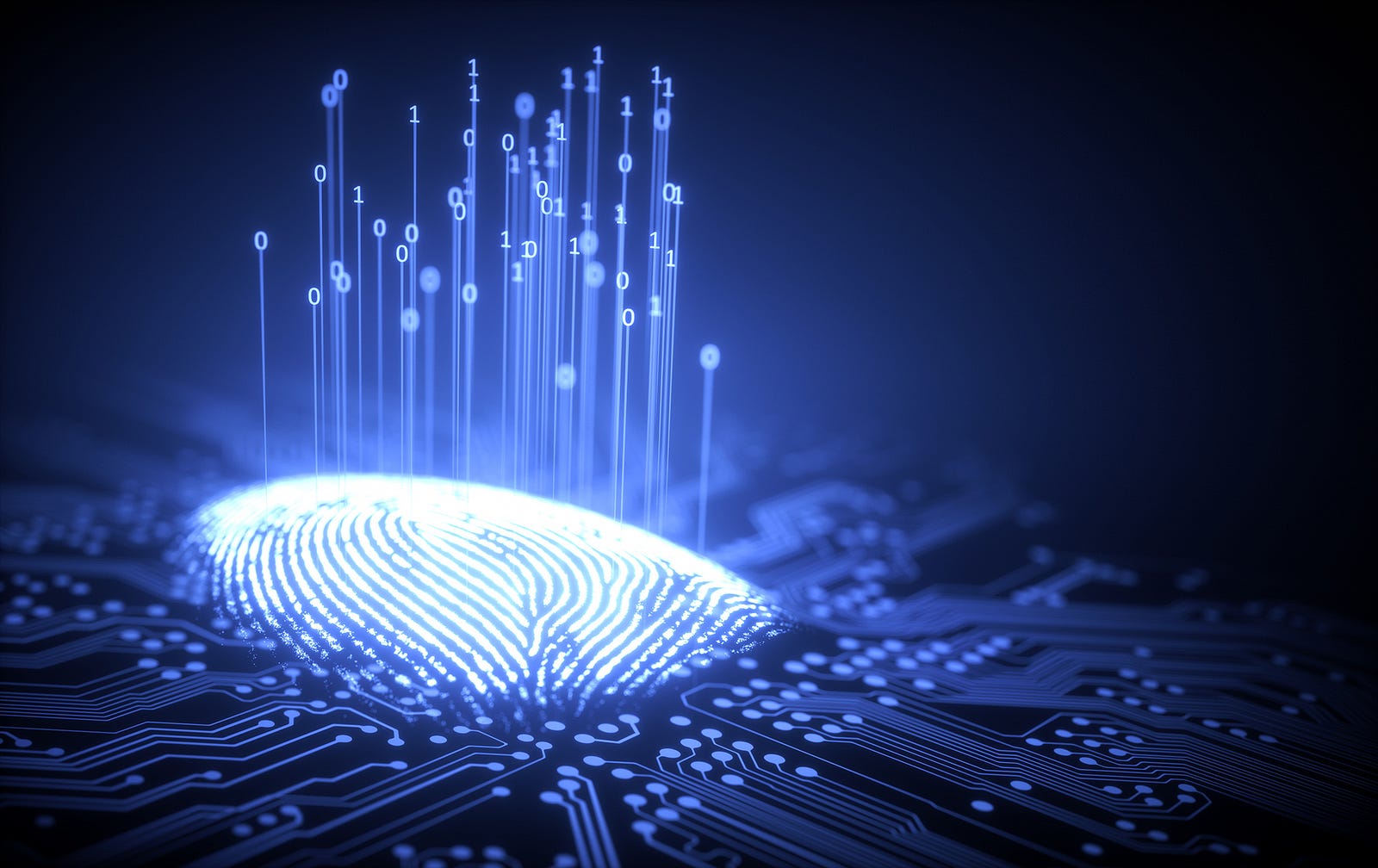
Image Source: media.consensys.net/state-change-41-unpacking-digital-identity-christian-lundkvist-stephen-wilson-4fb5a75eb6ed
Howard Rodman’s lecture on digital authorship models a very apt example of the intrinsic complications of digital and new media authorship: when a producer, director, and film company buy a writer’s screenplay to adapt it into a film, who is the true author of the film? Is it the writer, who initially created the characters, imagined the plot, and eventually wrote the language of the screenplay? Or is it the producers, directors, and companies who claim copyright ownership of the film generated from the purchased screenplay? (Rodman). As demonstrated by this rhetorical scenario, copyright laws intended to preserve originality and to establish authorship rather confound efforts to determine what authorship means in regard to digital technologies. As Rodman states, today’s copyright laws and fair use laws seem to “[benefit] the large intellectual property conglomerates,” and they certainly hinder digital humanities projects aiming to make literature, film, and photography accessible to the collective online audience (Rodman).

Image Source: www.hollywoodreporter.com/lists/hollywood-salaries-revealed-who-makes-829103/item/film-producer-who-makes-what-829125
Furthermore, the responsibility or accountability of digital “authors” is equally unclear, particularly when we bestow “authorship” on algorithms, robots, and other vehicles of artificial intelligence. Art Farley’s “Case of the Killer Robot” (Farley) and The Washington Post’s article on driverless cars (Halsey III) pose the same disconcerting question: if artificial intelligence malfunctions and causes harm, whether it be a factory robot killing its human coworker or a driverless car crashing, who is to blame? Does bestowing authorship on a computer mean that we cast responsibility for product error on the computer? Should the computer, robot, or car be culpable, or the company who manufactures and sells these machines, or the programmer who wrote the algorithms directing these machines? Though it is extremely difficult to answer these questions, it becomes clear that the collaboration and multi-level production of digital works muddles our ability to precisely determine authorship (and thus, culpability).
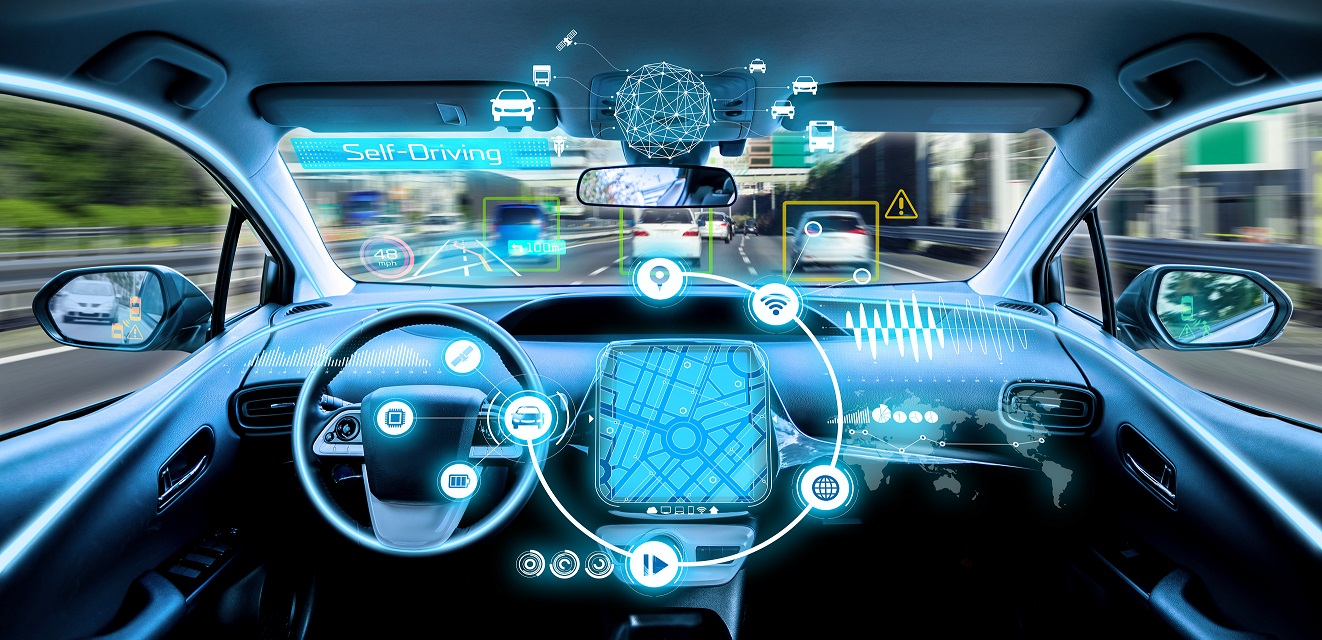
Image Source: www.thesoundmortgage.com/single-post/2018/03/30/Self-Driving-Cars-vs-Real-Estate
Finally, concepts of identity and personhood have drastically changed within the past decade through the emergence of social media and the digitization of identification forms. As Colin Koopman has pointed out in his own work, the data that we present and proliferate online becomes our identity, whether provided through social media, internet search histories, online shopping, or digital medical or governmental forms. Even though we may not be fully cognizant of the extent to which we rely on our data in developing the self, Koopman argues that digital “[information] is not just about you – it also constitutes who you are” (Koopman). Koopman also asserts that our traditional notions of identity must quickly adapt to recognizing how vital information and data are to the meaning of “selfhood” in the digital age. We can no longer separate “ourselves and our politics,” or rather, our conception of authorship, identity, and originality, from the influence of the digital technology and data which constantly surround us today (Koopman).

Image Source: www.ibm.com/blogs/blockchain/2018/05/five-considerations-for-blockchain-applied-to-data-privacy-and-gdpr/retina-display-168621112/
Works Cited:
Farley, Art. “Case of the Killer Robot.” CIS 490/590 Computer Ethics, Winter 2016, classes.cs.uoregon.edu/16W/cis490/killerrobot.html.
Halsey III, Ashley. “When driverless cars crash, who gets the blame and pays the damages?” The Washington Post, 25 February 2017, www.washingtonpost.com/local/trafficandcommuting/when-driverless-cars-crash-who-gets-the-blame-and-pays-the-damages/2017/02/25/3909d946-f97a-11e6-9845-576c69081518_story.html?noredirect=on&utm_term=.f81a9ff24bde.
Koopman, Colin. “The Age of ‘Infopolitics.’” The New York Times, 26 January 2014, opinionator.blogs.nytimes.com/2014/01/26/the-age-of-infopolitics/.
Rodman, Howard. “Authorship in the Digital Age.” johnaugust.com, 30 October 2007, johnaugust.com/2007/authorship-in-the-digital-age.
