Student spotlight Taysiki Allyson Alvarado

Hello Allyson! You are our final cohort of 2022 student spotlight! Thank you for sharing with us. First, could you introduce yourself?

Ink nash waníksha Taysíki ku suḵaputɨmtki Allyson Alvarado. My name is Taysíki and in English my name is Allyson Alvarado. I am Yakama and I’m from Wapato, Washington.

What has been the focus of your work during the LTS program? What makes this work meaningful to you?

Throughout LTS I have been working with the Ichishkíin language and exploring how best to teach and learn it. At first, I was really focused on incorporating language use and cooking together. Eventually, I came to focus on family language learning and meal-time ended up being a component of that. Family language learning is special to me because I’ve been learning Ichishkíin with my own family, especially my younger siblings so I wanted to create something that would make that easier/accessible for not only myself, but other Ichishkíin learners who want to speak with their families.

You had a very special living arrangement and housemate this year. Could you tell us more about that?

I have been living with Tuxámshish, my elder, my teacher and my inspiration! She has accomplished many things not only for the Ichishkíin language, but just in general! She is 100 years old and an L1 Ichishkíin speaker, she has taught me so much that I’m extremely grateful for. I didn’t grow up with an L1 speaker in my home, so I’m glad that I was able to experience this with her. She has also helped me many times translating my lesson plans, shared a whole bunch of good stories with me, and made me laugh a lot throughout my time here so living with her has been my home away from home.

What are you doing after LTS? Do you think you’ll miss Eugene?

After I graduate, I’ll immediately start preparing to teach Ichishkíin to 5th-8th graders in the district I went to school at! I’m really excited because there has never been a 5th or 6th program for Ichishkíin until now and since I have a lot of flexibility in the curriculum creation, I’m happy I’ll be able to use some of the lessons I’ve created throughout LTS.

I will miss Eugene! This is my 5th year being in this city so it’s emotional to be ending my time here. I’m going to miss food delivery 🙁 and even though I’ve complained many times about my wet socks, I will miss the rain. I do hope to come back for NILI Summer Institute as a chaperone for my future Ichishkíin students who could be possible LTS recruits 👀

What has been most important to you in LTS?

Most important to me in LTS has been the relationships that have come out of it. It takes me a long time to come out of my shell and make friends with people, so when I do make them the relationships are very precious to me 🙂 I’ve learned sooo much from everybody within the program and I just feel very privileged to have learned from everyone’s experience and expertise!

What is a fun fact about you that we may not know?

One fun fact about me is that I weave baskets. I use contemporary materials like yarn and cord to weave traditional Columbia plateau baskets and when I go home, I hope to gather and learn about more traditional materials to make baskets with those. I also love to watch tv!
Faculty Spotlight – Robert Elliott in Costa Rica

In April, LTS faculty member and NILI Associate Director Robert Elliott travelled to Costa Rica to partner with the University of Costa Rica (UCR) in San José to offer 2 weeks of workshops for Indigenous language teachers.

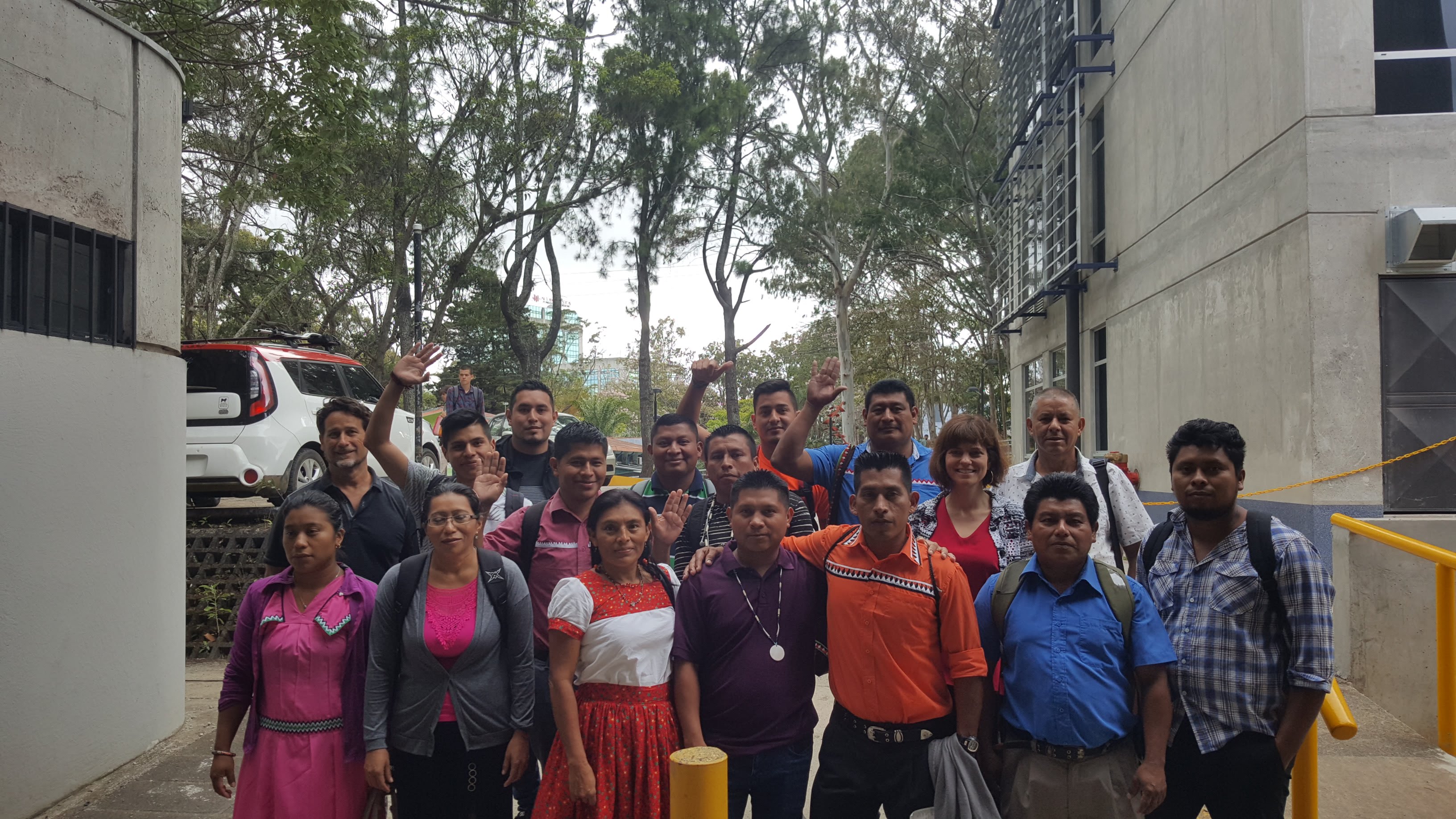
Robert (far left, back row) and the workshop participants in San José, Costa Rica

Tell us about your experience. Who did you work with in Costa Rica?

In partnership with Professor Carlos Sánchez Avendaño of the UCR linguistics department, and Kara McBride of World Learning, the workshops were developed for 15 Indigenous language and culture teachers from 7 languages throughout the country of Costa Rica.  The languages – Ngäbere, Buglere, Malecu, Bribri, Cabécar, Boruca, and Térraba – are in various states of endangerment, and the teachers work predominantly with middle-school aged children.

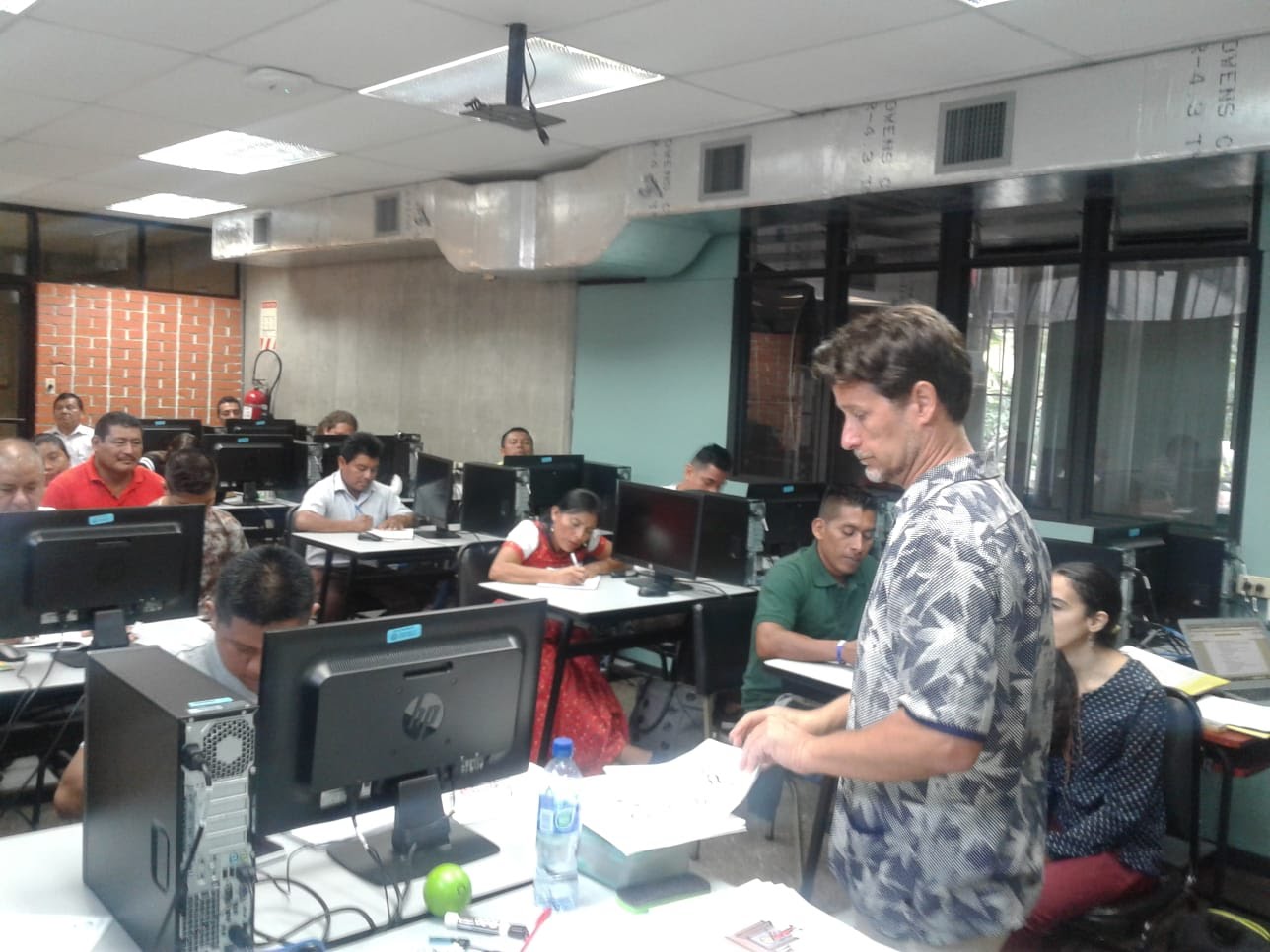
During a session about online teaching resources

How were the workshops structured?

The workshop was divided into two parts and were loosely based on the model of NILI summer institute classes. The first week, the teachers received training in pedagogy in the morning hours while the afternoon was geared towards learning to use technology tools and generating ideas for making greatly needed language learning materials for their classes. The second week was centered around giving time and support for the teachers to build materials to take home to their communities and share new ideas with other teachers. On one of the last days, the group was able to visit Carlos’ “Languages of Costa Rica” university class, and the teachers all got to use some of their new techniques to teach his class a bit of their languages.

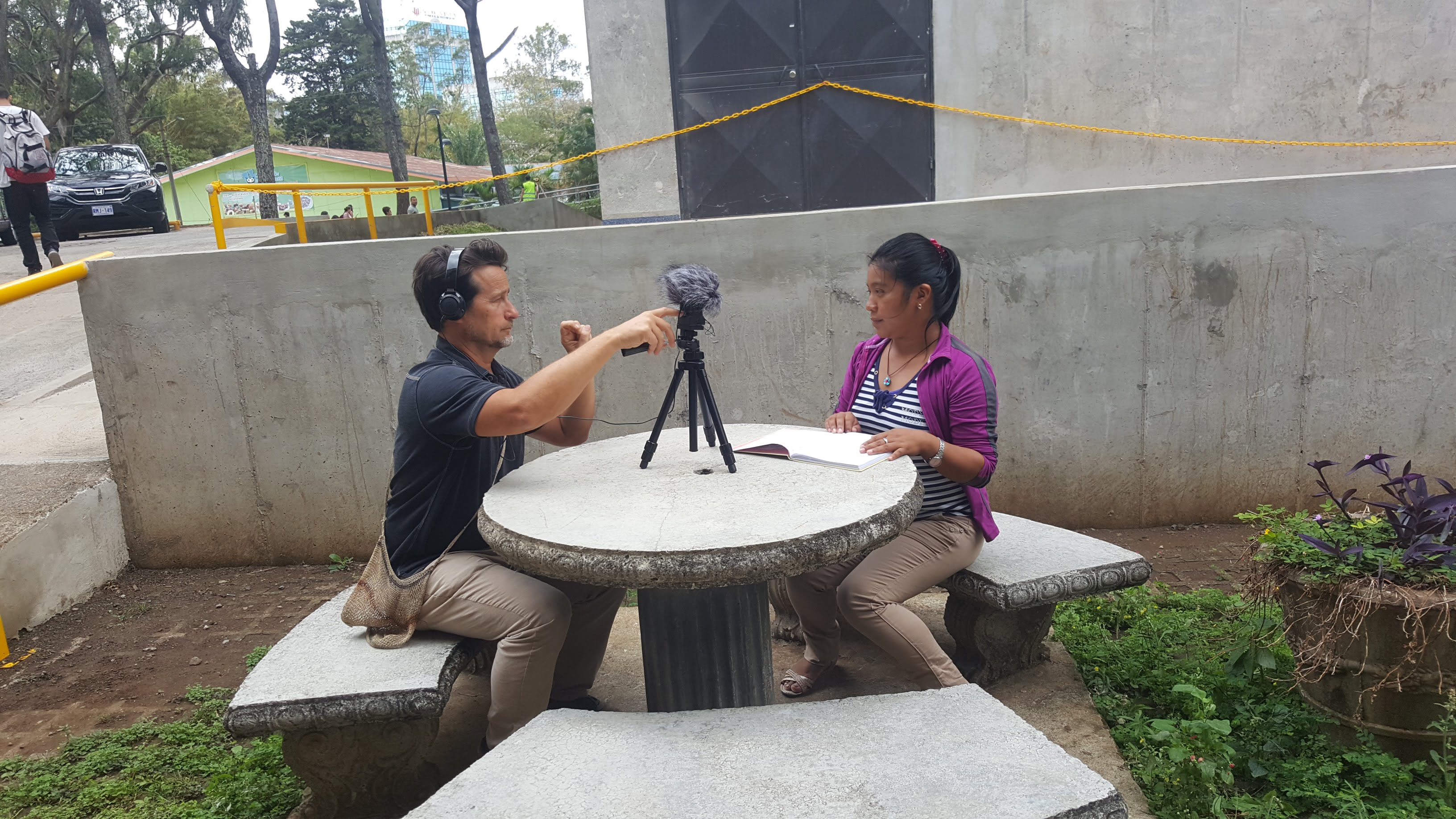
Recording the language of a participant for a teaching material

How do you think the workshop is relevant to LTS and future language teachers?

In some ways, we as language teachers are all in the same boat. We are all involved with promoting language, culture and opening people up to new world views. But having LTS faculty actively involved in minority and endangered language situations is fairly unique and adds to our program. First, we do have future teachers in the LTS program who are planning to teach less commonly taught languages and endangered languages and having faculty actively involved in these issues is important for these students. Further, all future language teachers should be aware of the effects of globalization and the extreme loss of smaller languages both in the Pacific Northwest as well as in the world at large. It is likely, for example, if you teach ESL in the US or Latin America, that you will have speakers of indigenous languages in your class and you may not even realize it. For much of the world, a language exists in a system of other languages, and while we have the ability to do much good as language teachers, opening doors to our students that would not otherwise exist, we also need to also be aware of our ability to do great harm, even unintentionally, particularly to smaller and fragile languages. We hope that all of our teachers leave the LTS program with a sensitivity towards these issues.  

What else did you do there?

While the schedule was busy, not everything was all business all the time. In the evenings and weekends the group was able to visit different venues in and around UCR, such as the Insect museum at the university and the National Museum of Pre Columbian Gold in the center of San José.

How about a snack?

The insect museum contained specimens of gigantic tropical bugs, and we were offered some freshly prepared cockroaches and larvae to sample – yum! The Pre-Columbian museum was described as bittersweet by one of the participants: very interesting but also a reminder of the difficult history indigenous people have endured in Costa Rica and the Americas. I was also able to sneak in some seriously needed beach and surfing time at one of the stellar surf spots in the country, and got lost in a tropical rain forest in the mountains one day. This was an invaluable experience, and I look forward to participating in more workshops for indigenous teachers in the future.