

An example of an attractive and interesting ruin would be The Pyramid of Kukulkan at Chichen Itza in Yucatan, Mexico. This ancient ruin is of the Maya civilization. It’s appealing due to its form and precise engineering. For example, on vernal and autumnal equinoxes, the sun casts shadows that move like snakes and seem to follow the descending stairs. This amazing engineering represents the deity Kukulkan, in which the shadows come only twice a year and are said to drink from the sacred sinkholes called Cenotes. This specific ruin is appealing because of its aesthetics and architectural brilliance, cultural and historical significance to its deity and cultural civilizations, mesmerizing elements as well as experiences. It’s important to immerse yourself in history through the architectural work of other civilizations and cultures, in this case, my Mexican heritage.
Figure 1: Ancient Ruins of Chichén Itzá, Mexico- The Pyramid of Kukulkan at Chichen Itza in Yucatan, Mexico.
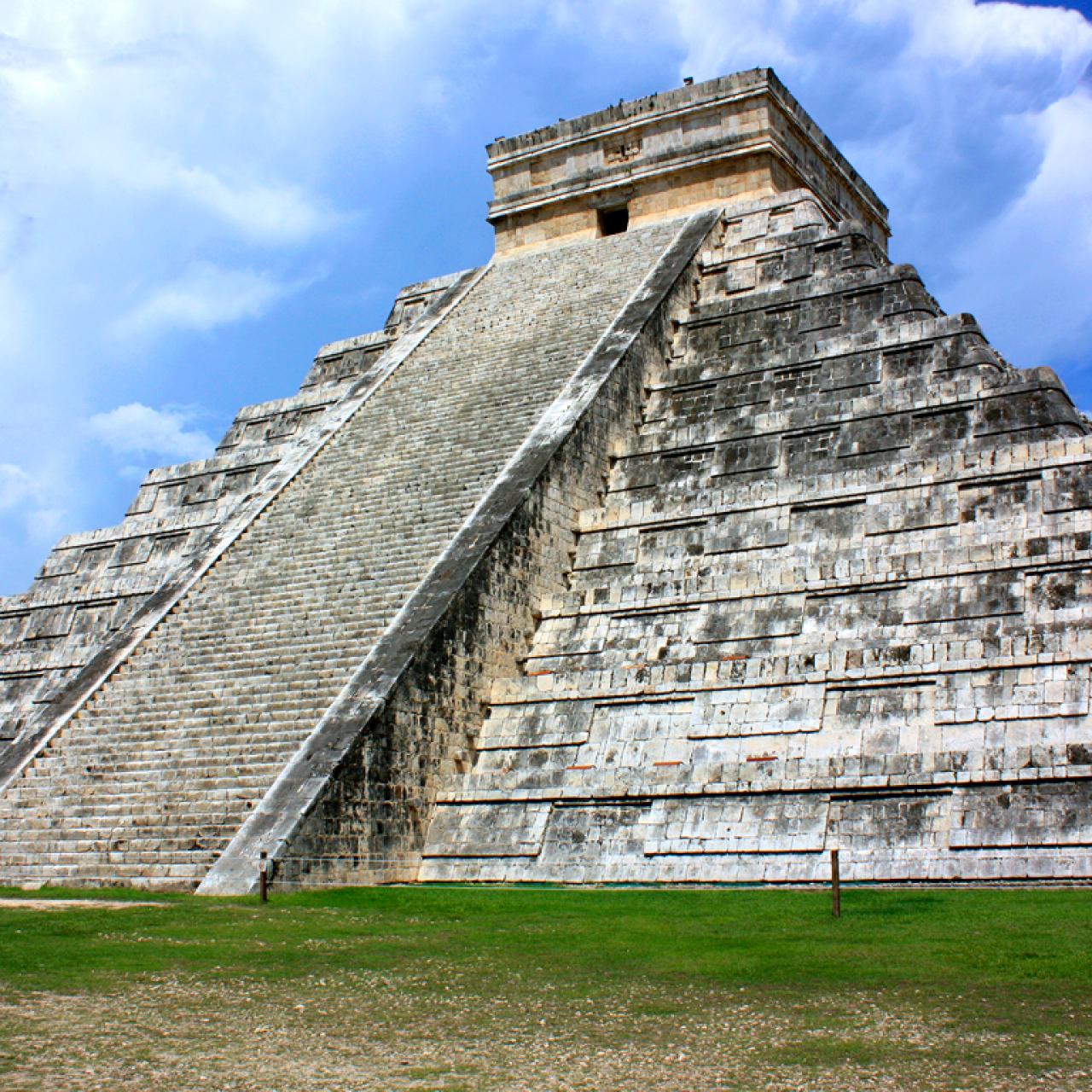
The description of the Pyramid of Kukulkan at Chichen Itza is captivating and evocative. The integration of precise engineering with cultural and celestial elements makes this ancient ruin a masterpiece. I find most interesting that the sun casts shadows that look like snakes, it tells a story. You can tell that a lot of thought was put into the design. It reminds me of Etienne-Louis Boullée designs with big grand geometric shapes and engineering masterpieces.
I really liked your description of these ancient ruins. This made me think of the Temple of Death that we talked about in class, not only because of it’s pyramid shape but also because of how they both play with light and shadow to create character.
We’ve been talking a lot about architecture as language, and I think this is an interesting example of that as well, because of it’s uniqueness and historical/cultural significance.